Latest information and official documents from independent forest monitoring activities.
Showing 9 news
June 25, 2026
Delaying Extinction – Advancing the Protection of Gonystylus bancanus as a Protected Species in Indonesia
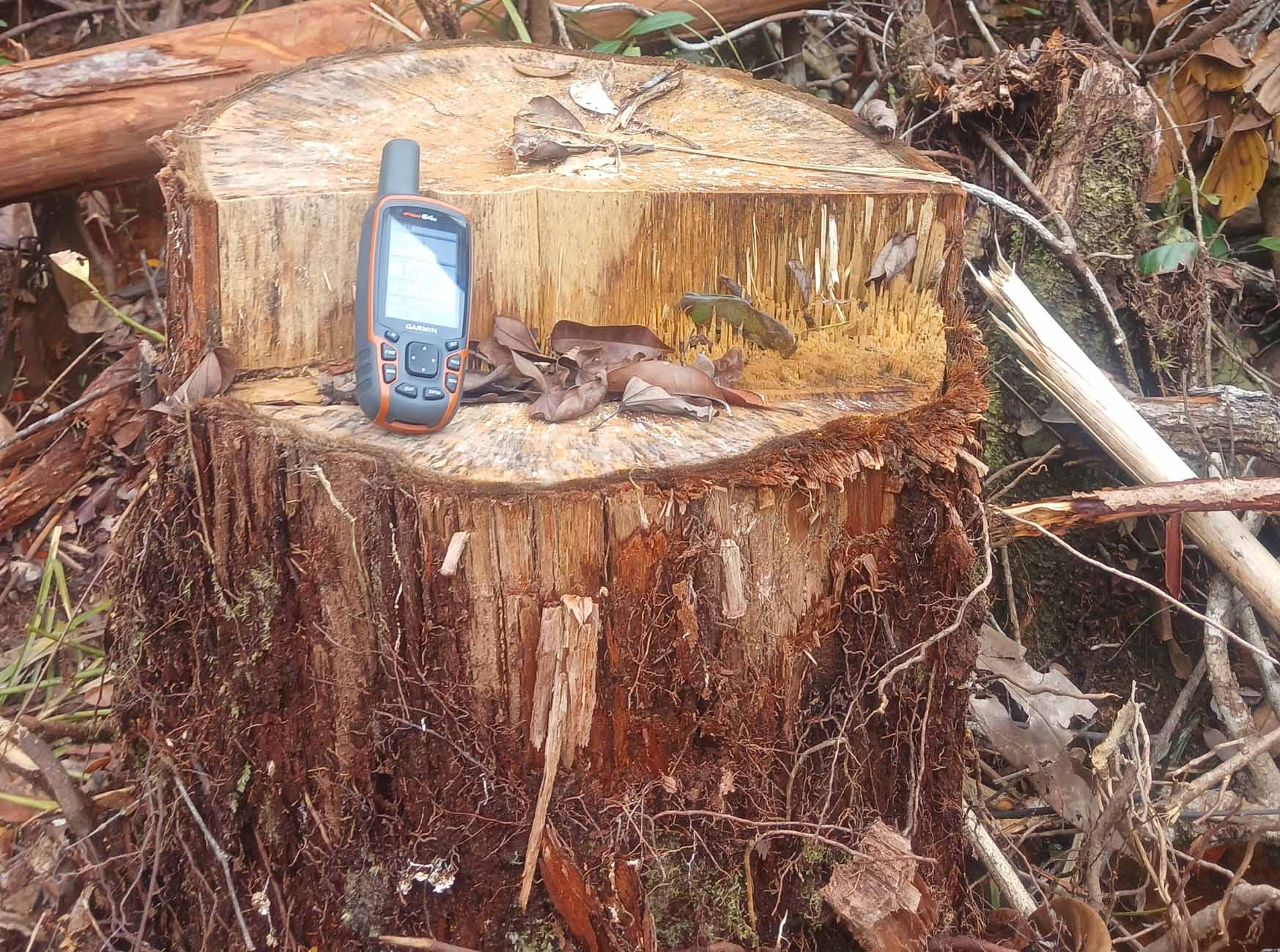
Ramin (Gonystylus bancanus), a tree species native to the islands of Kalimantan and Sumatra, is categorized as Critically Endangered by the IUCN. Despite its status on the brink of extinction, ramin continues to face severe threats from overexploitation driven by persistent market demand.
Ecological Niche Modelling (ENM) Study – Advancing Ramin Conservation in Central Kalimantan
As part of efforts to support conservation and mitigation measures, a study applying the Ecological Niche Modelling (ENM) approach, also known as Species Distribution Modelling, was conducted to estimate the geographic distribution and habitat suitability of ramin in Central Kalimantan Province. Based on Hutchinson’s ecological niche concept, the model analyzes species occurrence records in relation to environmental variables such as air temperature, rainfall, and soil physical and chemical characteristics.
No More Ramin: Challenges in Monitoring and Protecting Ramin in Central Kalimantan
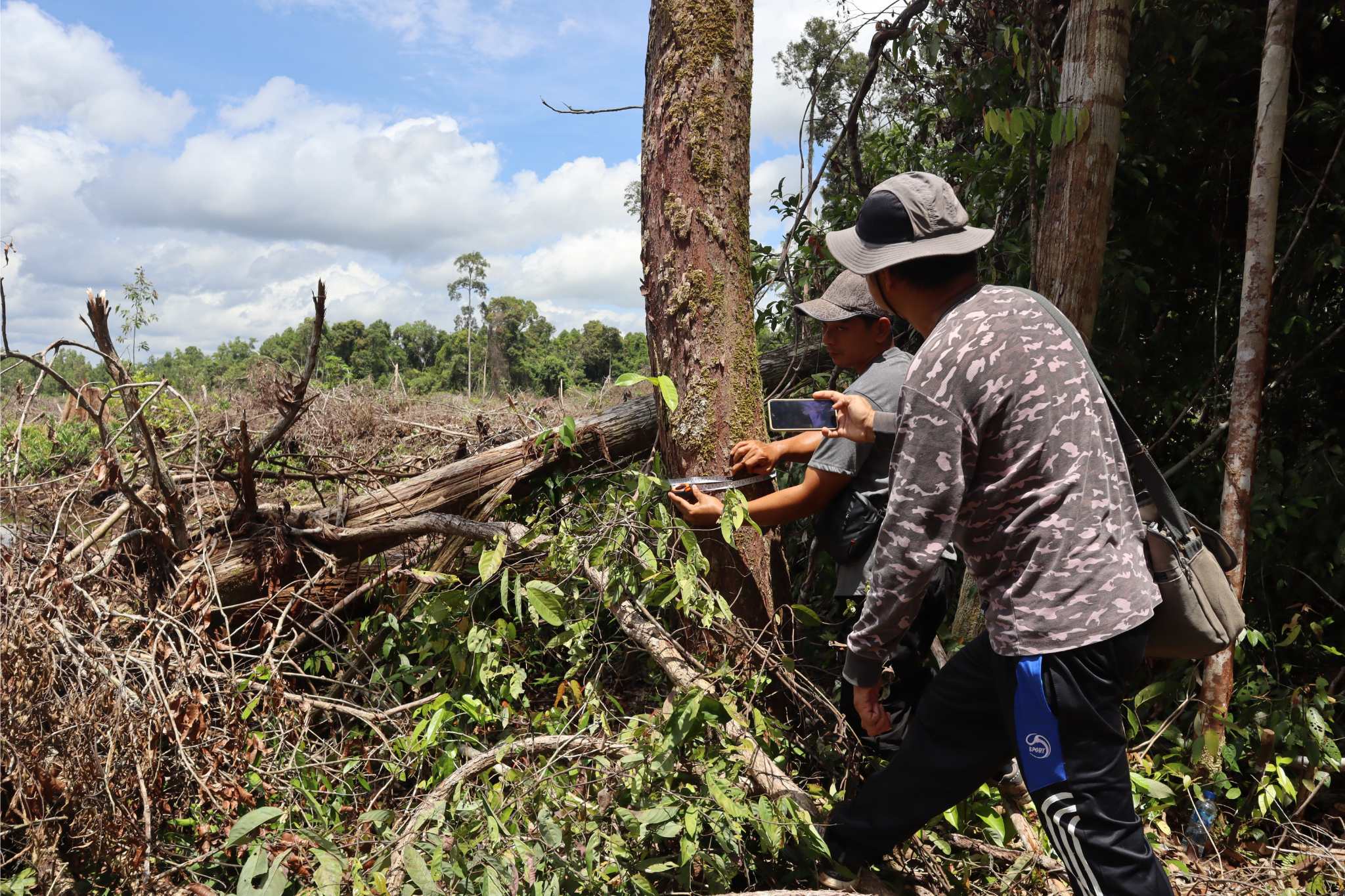
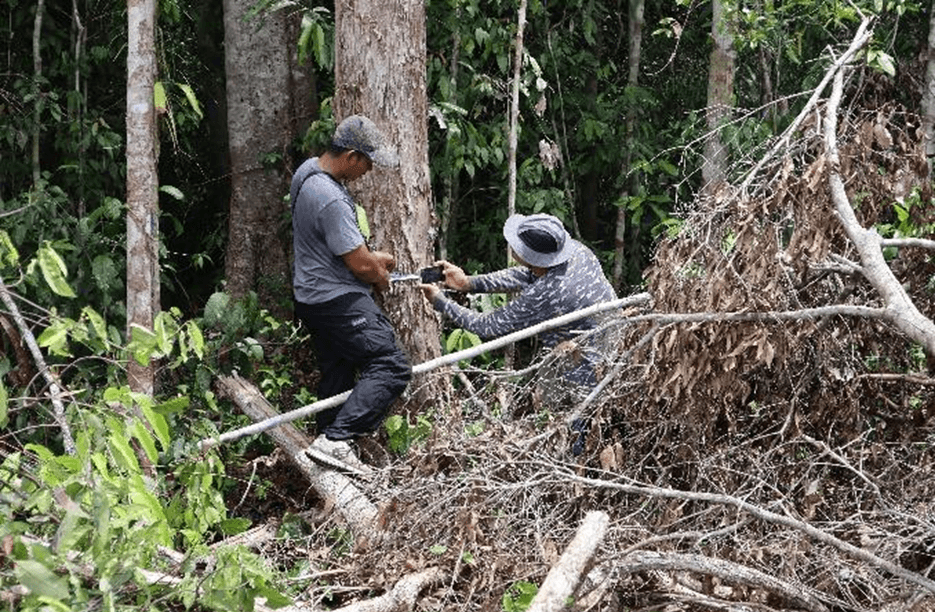
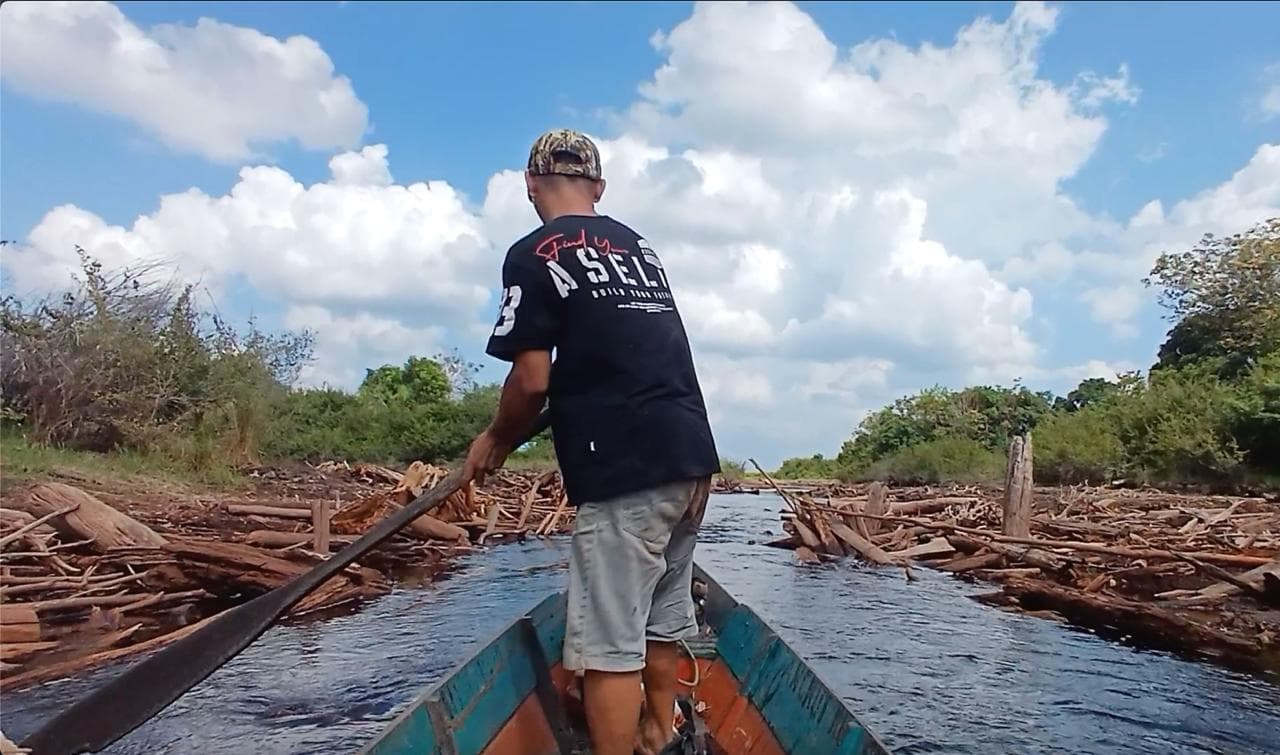
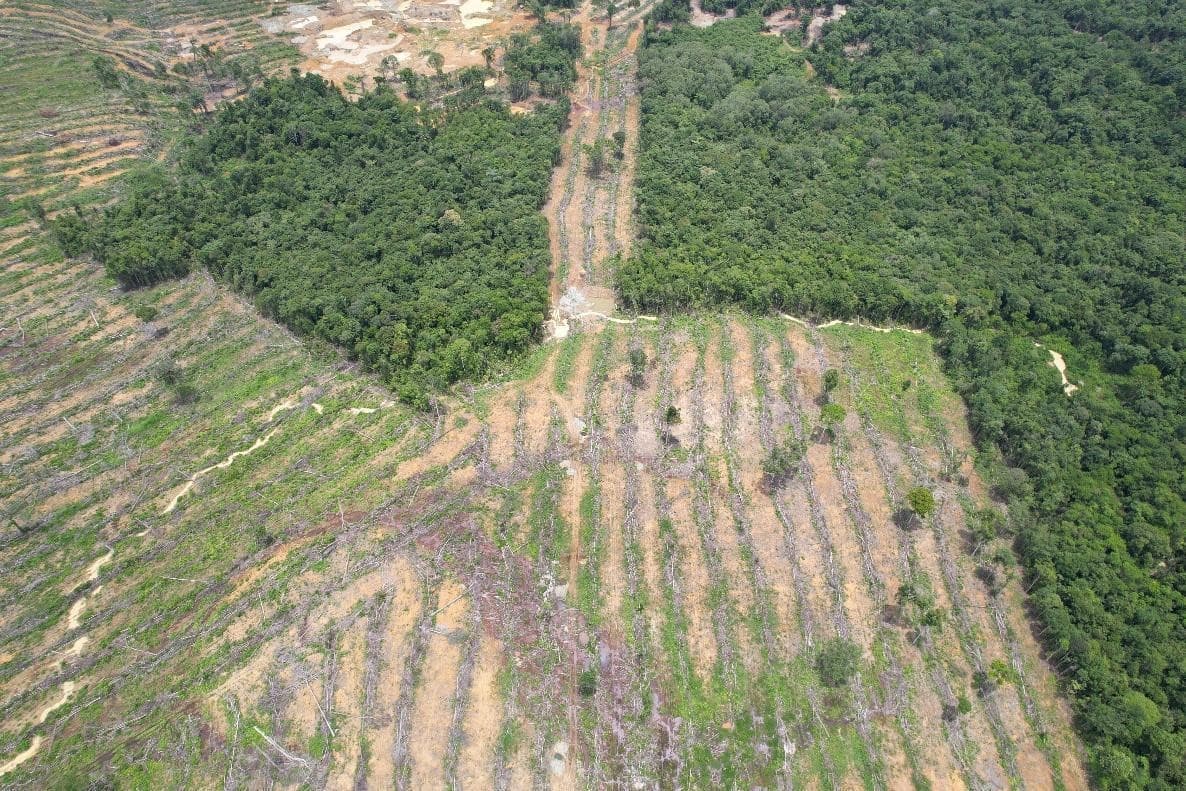
Monitoring the presence of Ramin in its natural habitat is essential today, considering its status as a “Critically Endangered” species based on the 2018 IUCN report and its inclusion in the CITES Appendix II list in 2004. However, to this day, based on CITES data (accessed 06/25/2025) for the 2020-2023 period, the export and import of Ramin wood continues to occur in the market in the form of wood products, processed wood, round logs, sawn timber, wood logs, dried plants, and wood chips/scraps. The data presented shows 37,442 specimens, 3,788.4 m3, and 140,600 kg of traded wood. The critical situation occurring in this tree's habitat is becoming increasingly dire every day, even though it has been internationally listed as a plant whose trade must be strictly guarded. The exploitation of this species has not been followed by cultivation or management efforts to preserve Ramin (Bob and Parno, 2003), which is essentially a plant characterized by slow and poor regeneration (Mansur et al., 2024; Wardani et al., 2010). On the other hand, no less importantly, a shifting paradigm in viewing land and commodities has caused massive land clearing in Central Kalimantan, leading to the continuous erosion and endangerment of Ramin habitats.
Protecting Forests, Caring for Life: The Importance of Independent Funding for Forest Monitoring in Indonesia
forest monitoring in Indonesia still faces significant challenges. Currently, there are approximately 30 million hectares of forest covered by 574 utilization permits and 541 industrial units with capacities exceeding 6,000 m3. This is certainly not comparable to the number of monitors, given the limited availability of independent monitors. Consequently, without adequate monitoring, indications of violations are certain to escape public attention, and forest destruction continues unchecked.
Getting to Know Ramin, A Beautiful Wood That Is 'Critically Endangered'
Trade data show that during the 1970s, 1980s, and early 1990s, Indonesia regularly exported more than 500,000 cubic meters of Ramin wood, despite existing bans (a log export ban from the early 1980s and a ban on the export of all unprocessed wood since 1985). By 1998, reported Ramin exports had declined sharply to just 260 cubic meters (CITES, accessed 25/6/2025). This exploitation was not accompanied by efforts to cultivate or manage the species for conservation (Bob and Parno, 2003), even though Ramin is known for its slow and poor natural regeneration (Mansur et al., 2024; Wardani et al., 2010).
Joint Statement: Tripa Peat Swamp and Its Complex Challenges – A Civil Society Call to Protect Indonesia’s Biodiversity
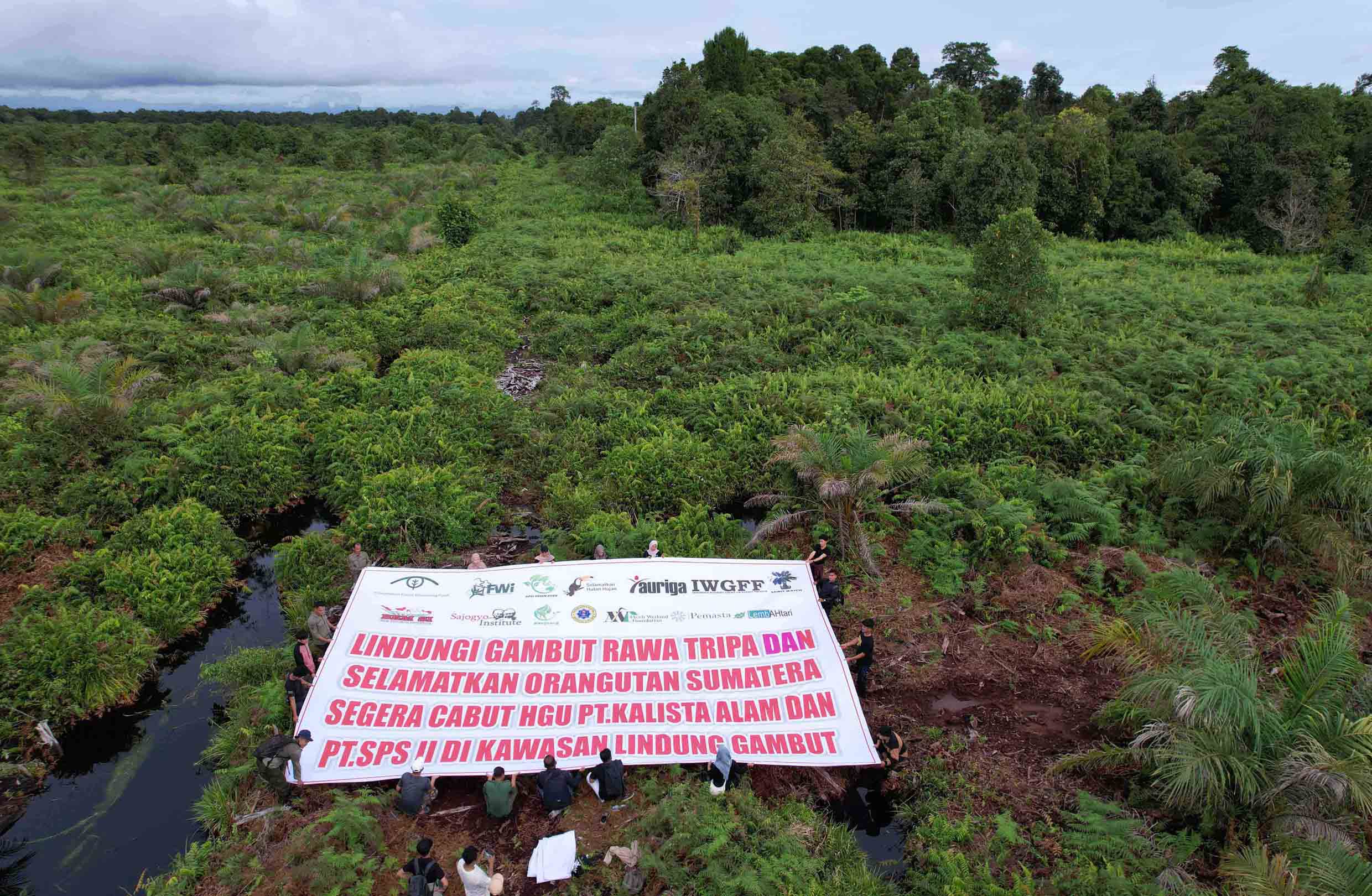
Deforestation in the Tripa Peat Swamp forest must be halted immediately, regardless of ongoing legal proceedings. Ongoing UN climate and biodiversity conferences continue to highlight the worsening climate crisis and drastic biodiversity loss. Indonesia must send a clear signal by stopping all destructive activities in this peat swamp, as Tripa is one of the nation's most vital ecosystems. Law enforcement across the forestry, environmental, and plantation sectors in Indonesia must be pursued with far greater seriousness.
SVLK Under Siege: Indonesia’s Timber Credibility and Economy at Stake
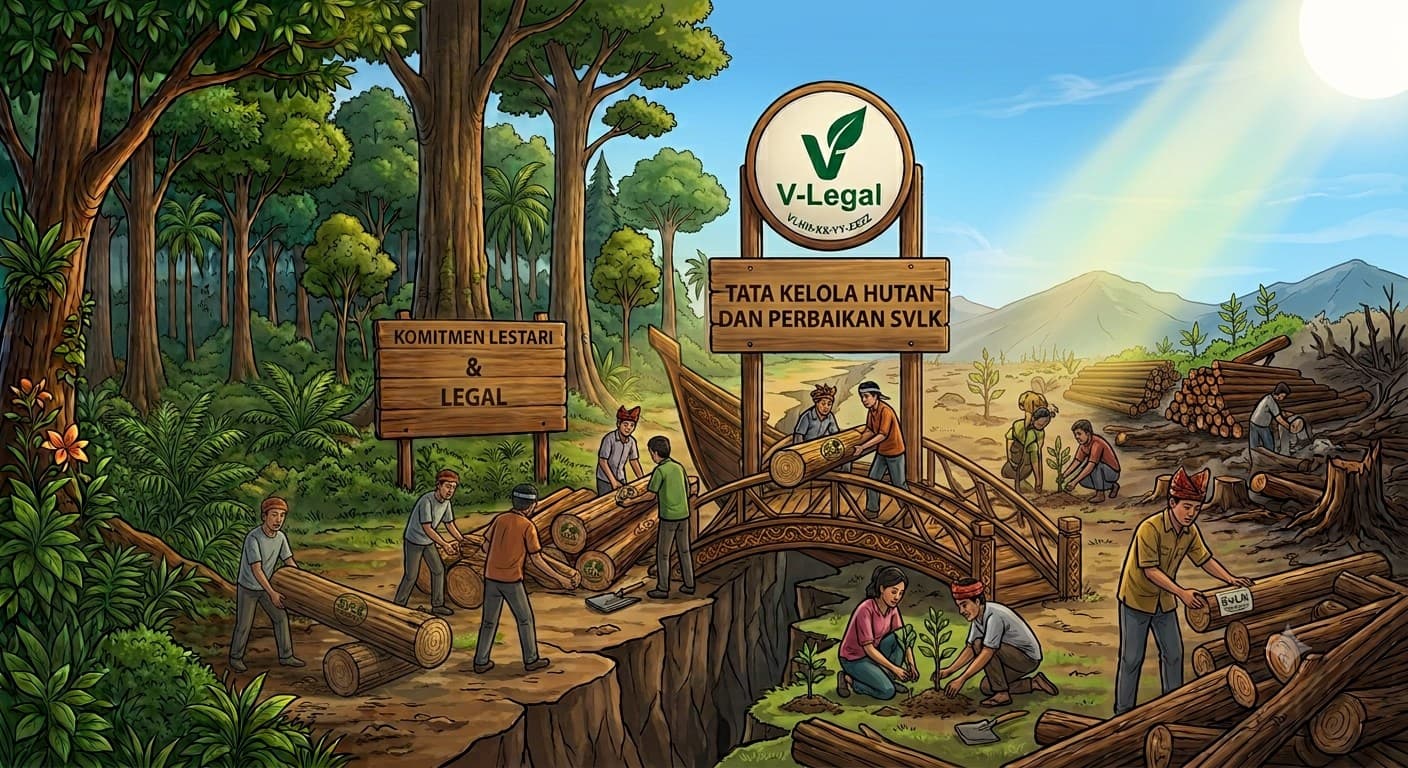
We, civil society organisations, environmental activists, academics, and forestry practitioners urge the Indonesian Government to immediately halt the proposed weakening of the Legality and Sustainability Verification System (SVLK) for Indonesian wood products.
Encouraging Forest Governance Improvement and Support for Monitors
Without decisive action, forest governance will remain uncertain, while illegal logging and forest exploitation continue to threaten Indonesia’s forests. Forest monitors emphasize that meaningful governance reform can only be achieved through transparency, law enforcement, and protection for monitors.
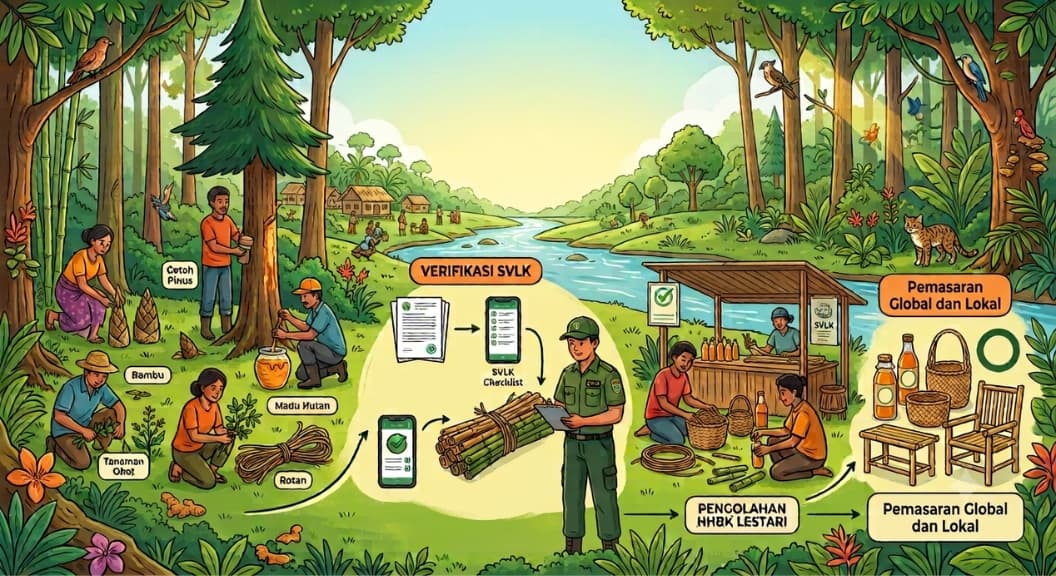
Non-Timber Forest Products in the Legality and Sustainability Verification System
Indonesia has implemented a Timber Verification and Legality System (SVLK) to ensure traceability of timber from its source since 2009. SVLK is intended as an instrument in eradicating illegal logging and illegal timber distribution, as well as increasing economic growth through legal timber trade both within or abroad. It cannot be denied that the implementation of SVLK has had an impact on better Indonesian forest governance.